
As households grow and younger generations eventually move out to start their own journeys, parents and grandparents are often left with a home that doesn’t meet their current or future needs. As the additional rooms may not be in regular use, heating and electricity bills are unnecessarily high and the maintenance schedule can be demanding. Moreover, older adults may wish for more practical home layouts which better suit their accessibility requirements.
The cost, admin and labour associated with moving can be off-putting. Additionally, there are many memories attached to the family home.
It is often much more appealing to stay put, rather than uproot for the potential benefits. However, the resistance to downsizing can contribute to a housing shortage for growing families, as the space in larger homes is largely underutilised. We asked older adults how they feel about moving to a smaller home.
Click on one of the sections below to learn more:
Brits over 55 listed maintenance, bills, accessibility and location as important benefits to relocating.
Moving costs, admin, labour, decluttering, finding the right home and social and emotional attachments were some of the main barriers to uprooting.
Many homeowners miss what they lost, but balancing community, practicality and enjoyment will help avoid downsize regret.
Do prioritise your location and accessibility, but don’t neglect style and enjoyment.
Sliding doors not only save space, but they are low maintenance, energy efficient, and maximise natural light and outdoor views.
Tangible benefits of moving into a smaller home
75% of adults aged over 55 live in a house that is too large for them, and 59% would consider downsizing. Some of their reasons include garden or house size, age, health issues, limited mobility, memories and intensive upkeep.
· 65% listed cheaper bills and running costs as a benefit of downsizing.
· 62% listed lower maintenance requirements as a primary advantage.
· 44% listed an accessiblehome/garden layout as a key reason for moving.
· Collectively, 41% listed location advantages to moving, such as living closer to family or amenities.
· 24% said that a cosier feel and freeing up homes for younger generations drives them to move into a smaller home.
· 17% said that getting a fresh start motivated them to consider a change.
Only 13% said they saw no benefits to downsizing their current home.
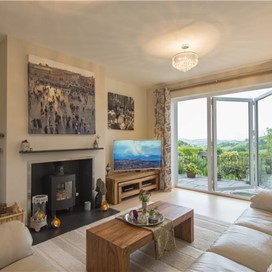
Primary concerns with leaving the family home
There are so many benefits to moving into a more appropriate home for where you are in your life, but there are some major worries that can be challenging to overcome.
· Difficulty finding the right home is a problem affecting 82% of homeowners looking to move.
· The costs associated with moving, such as stamp duty, capital gains tax and logistics put off 78% of our 55+ cohort.
· The admin and physical strain of moving are concerns for 57% and 53%, respectively.
Many respondents mentioned that if there were lower costs associated with moving and there was a better availability of homes in their desired location, the idea of downsizing would be much more appealing. When we discount logistical barriers, the most reported drawbacks are location (43%), emotional attachment (42%), social or family ties (39%) and investments into the home (32%).
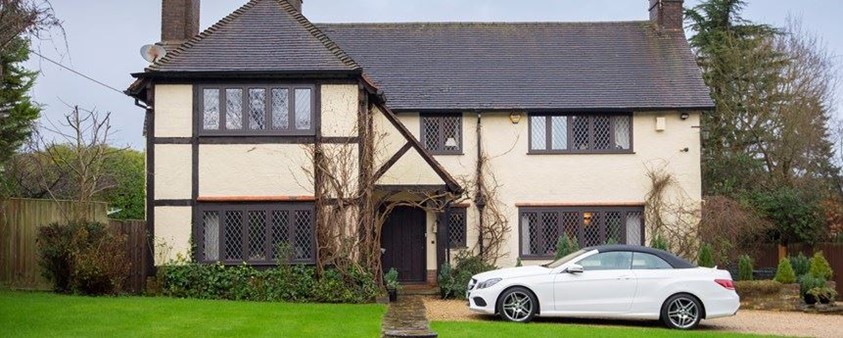
Will you regret downsizing?
Research conducted in 2022 found that of the 25% of older adults that had downsized, 59% of them missed aspects of what they left behind: the extra space, the garden, the location and the community they previously lived in. However, if you currently find your home impractical or emotionally unsettling, a move to a new home can be the reset you need.
On the other hand, many Brits look back on their move as the best decision they made to reduce stress in later life. Ultimately, you should prioritise staying close to your community and should not wait until health issues hold you back from decluttering and moving on.
“I find the responsibility of owning and maintaining a large home quite stressful. There's always something that needs doing” - Mumsnet user
“When I realised that I was cleaning more bathrooms than there were people living in the house we decided it was time to move on. Advantages are that what we have now is so much more manageable in terms of upkeep and bills and generally we do love our tiny home... big family get togethers are harder now due to lack of space but for us it's the best thing we ever did“ - Mumsnet user.
Downsize dos and don’ts for a smarter relocation
There are some things to prioritise when it comes to downsizing. Staying within or near your community and close to amenities or public transport should be top priorities. Also, choose a space that is accessible for your needs, such as step-free doorways, ground floor bedrooms and bathrooms, open-plan layouts and single or smaller two-storey homes. You will also want to consider the home’s maintenance needs. Explore our dos and don’ts for relocating to a more practical home:
| Dos | Don’ts |
|---|---|
|
|
The space-saving benefits of sliding glass doors
One of the primary reasons that homeowners will regret moving is missing the space they once had, so space-saving is key to enjoying a new and more modest home. Secondly, you will want to prioritise accessibility and comfort, which means ensuring step-free access and ground floor-dominant layouts if possible.

Finally, you must not ignore the ‘wow factor’. Choosing an architectural style that you love, stunning views, expansive windows, oversized doorways, decorative lighting, walls and ceilings will make your years in the new home infinitely more enjoyable. Aluminium sliding doors are a fantastic option for smaller homes for the following reasons:
1. Sashes slide over one another, so they require no additional space to open.
2. The panes of glass can reach expansive sizes and contribute to a wall-of-glass effect.
3. Completely flush thresholds are available for a step-free patio door.
4. The doors open wide, providing easy access to your outdoor area.
5. They let in a huge amount of natural light, which has proven mental health benefits.
6. Powdercoated aluminium sliding doors require very little maintenance and outlast many other materials.
7. Origin Sliding Doors achieve some of the highest energy efficiency on the market, helping your home remain a comfortable temperature year-round.
8. Aluminium sliding doors can increase your home’s value or the chance of getting higher-than-asking-price offers.
9. Durable aluminium can support huge glass panels with slim sightlines, making them ideal for framing your outdoor views.


