
Step into almost any stylish home in the UK and you’ll likely be greeted by leafy foliage some way or another. Indoor plants, biophilic wallpapers, views of the outdoors, images of nature, natural colour schemes are features of a growing movement to bring the outdoors in. Researchers have known since the early 70s the mental health benefits that spending time in nature brings. However, our cities and buildings aren’t always conducive to connecting with the natural world.
Biophilic design is a growing trend in 2025 - more people are craving a calm space, clean air and lots of natural lighting. We explore this green-fingered obsession, particularly in flat-dwellers. Learn how you can recreate this soothing atmosphere in your home.
In this guide:
Statistics show that ⅓ of flat dwellers have no access to green spaces.
With the aim of creating a strong connection with nature, biophilic design brings nature into urban environments.
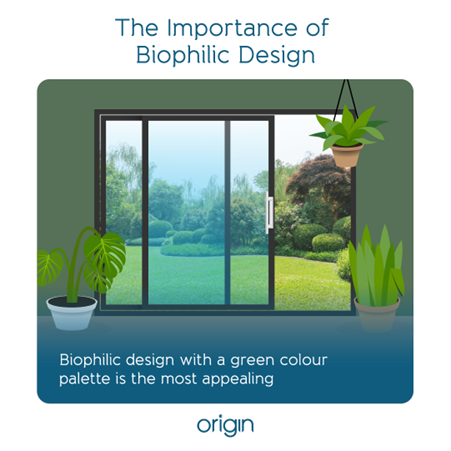
Biophilic interiors are the most appealing, but green schemes performed poorly.
Incorporate biophilic design principles like a specialist.
City Living Lacks Natural Havens
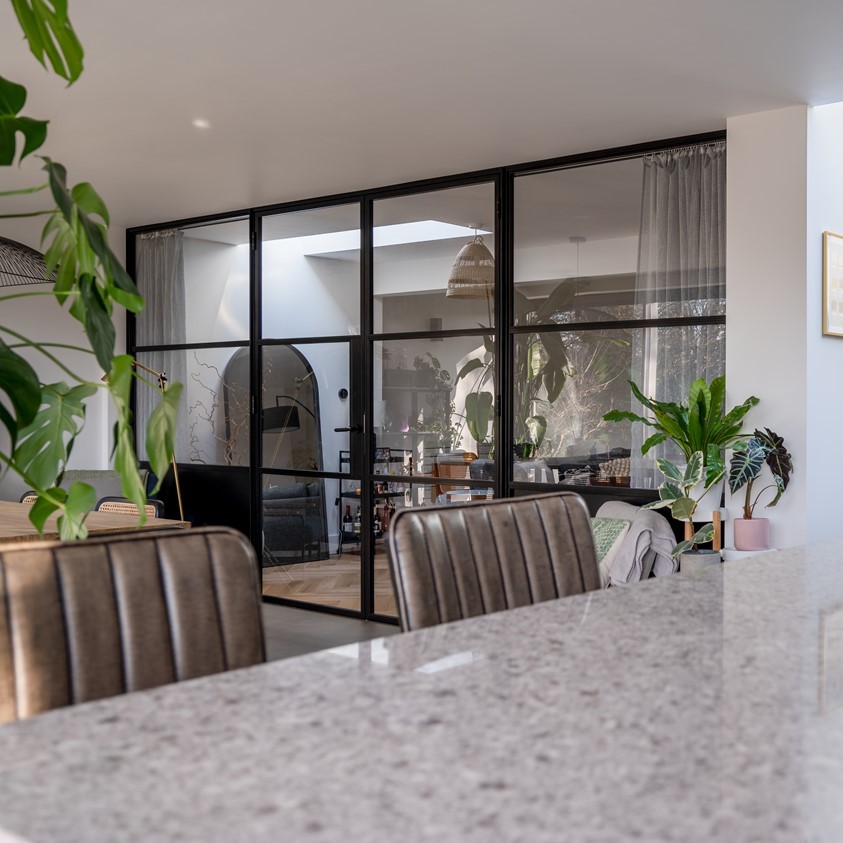
New research (Origin, 2025) reveals that 72% of people living in flats now consider indoor plants “very important” to their interior design style, compared to just 50% of those living in a house or bungalow. Lack of access to private outdoor space, poor air quality or low ventilation in flats could push residents towards keeping plants.
In fact, only 27% of flat residents have access to a private outdoor space, compared to 89% of house residents. In addition, only ⅔ of flat residents don’t even have access to communal green spaces or local parks, compared to less than 1% of homeowners.
The Impact of Plants on Air Quality
Air quality is another crucial reason to introduce indoor plants. Lack of natural ventilation and pollution from built-up areas can contribute to poor air quality, even inside homes and apartments. Indoor plants significantly improve air quality by filtering pollutants, increasing humidity, and moderating temperature.
The public’s data reinforces its importance, with 82% of flat dwellers prioritising indoor plants for air quality (Origin, 2025). The air-purifying effects were even more important than the visual appeal. Mental wellbeing also ranked highly, with many reporting that living greenery boosts their productivity, mood and relaxation.
Overall, Brits ranked air quality, visual appeal and mental health benefits in order of importance.
The Rise of Indoor Living
Brits spend a shocking 80-90% of their time indoors, whether it be at home, at work, in schools, gyms or public transport – severed from our natural environment. It’s no surprise that our indoor lifestyles have an impact on human health. Moreover, many of us still take advantage of hybrid or home working arrangements. It’s no surprise that nearly ¾ of us spend most of the time at home, with 38% rarely going out at all.
“We will never be truly healthy, satisfied, or fulfilled if we live apart and alienated from the environment from which we evolved”, says Stephen R. Kellert, Author of Biophilic Design.
What Exactly Is Biophilic Design?
Biophilic design is not a new idea, however, it has grown quickly in the last five years. This growth is partly due to the increasing hunger for nature, after nationwide lockdowns. The trend brings environmental features into urban environments. Plants, water features, organic shapes, textures, materials, and crucially, natural light and views are some of the ways that designers bring nature indoors.
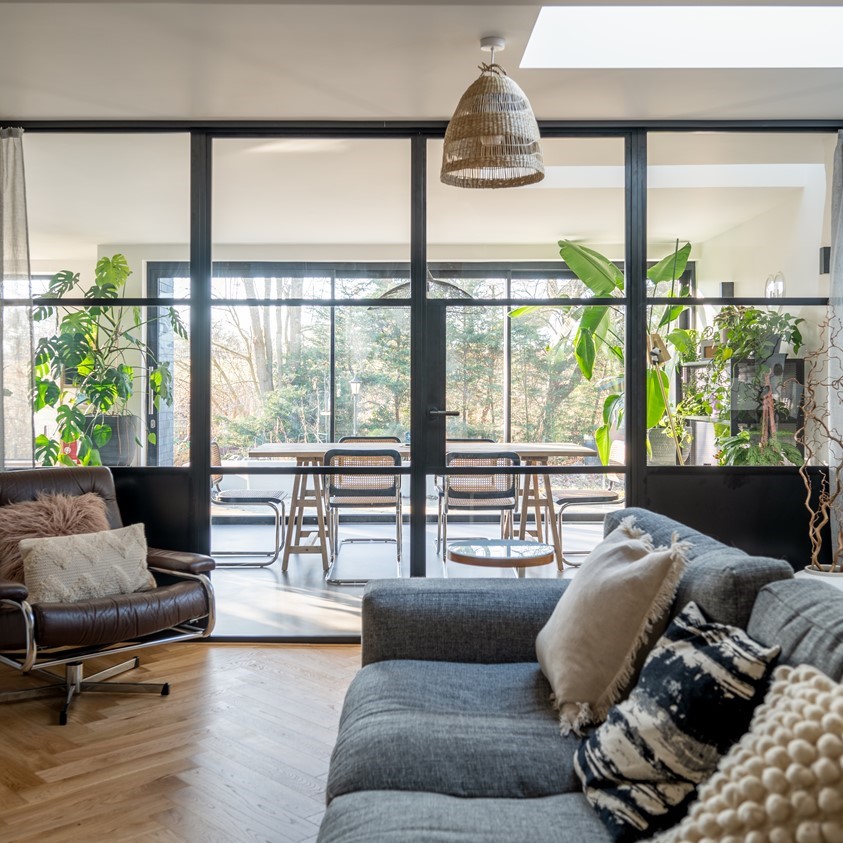
The benefits are compelling. Studies show that biophilic interiors can help reduce stress, enhance productivity, regulate mood, sleep patterns, enhance air quality and improve overall mental and physical health. Done properly, biophilic design takes colour, light, natural patterns, textures, form and function into account.
Plants Matter - Green Colour Schemes Aren’t Enough
Curiously, when people were shown a range of six interior design styles – including neutral schemes, green colour palettes and full biophilic layouts – participants had the most positive emotions towards interior spaces with a wide range of indoor plants and natural materials.
It was biophilic design with a green colour palette that had the most favourable response, with 34% of participants selecting it as the most appealing. By contrast, natural colours alone, without sustainable design, ranked lower than expected, proving an inherent need to be surrounded with living elements rather than merely the colour green. Regardless of whether you prefer industrial or neutral styles, the addition of plants, natural geometries and nature views boosted the overall visual appeal in every scenario we provided.
How to Recreate a Biophilic Paradise
Start with light. Natural light is the foundation of any successful biophilic space. Large windows and their placement are key. This is where sliding doors with large expanses of glass or stylish Soho inspired internal doors come in.
Next, layer your greenery because not all plants need direct sunlight. By choosing a mix of high- and low-light species, you can build a lush jungle that doesn’t entirely rely high light intensity. Hanging baskets, tiered shelving, and corner planters help maximise smaller spaces. Full-spectrum plant lamps can help indoor plants thrive.
Wall colour matters. Green walls accentuate the soothing benefits of biophilic interiors. However, white walls boost brightness and reflect natural light. If you're craving colour in 2025, you could paint a feature wall, but consider that white walls opposite windows are key for maximising light and creating the illusion of space.

For those short on time or lacking a green thumb, biophilic wallpapers and artificial plants offer a compelling alternative. In tests (Origin, 2025), only 7% of people were able to correctly identify all artificial plants when shown side-by-side with real ones. That means well-placed faux greenery may still be able to deliver the calming effect without the maintenance schedule. However, only real foliage offers air-purifying properties.
Combining natural textures like wood, stone, ceramic and linen helps complete the biophilic look. Contrasting straight lines and right angles from steel-look windows create a striking juxtaposition to the natural shapes and rich greenery. The Origin Soho-inspired doors and windows incorporate a timeless industrial aesthetic that also maximises that all-important natural light.
Origin Soho Style Doors and Windows - Designed for Living
When designing a biophilic home, windows aren’t only just functional – they're integral to your interior design. The Origin Soho style inspires homeowners to live harmoniously with nature, without aesthetic compromise.
Featuring slim aluminium frames and a sleek, industrial-inspired finish, Soho style windows are built to maximise daylight and views of the outdoors without sacrificing security or energy efficiency. Despite large glazing panels, all external windows and doors can offer police-backed security accreditations and market-leading thermal performance. This means you can enjoy uninterrupted views and health-enhancing daylight all year round.
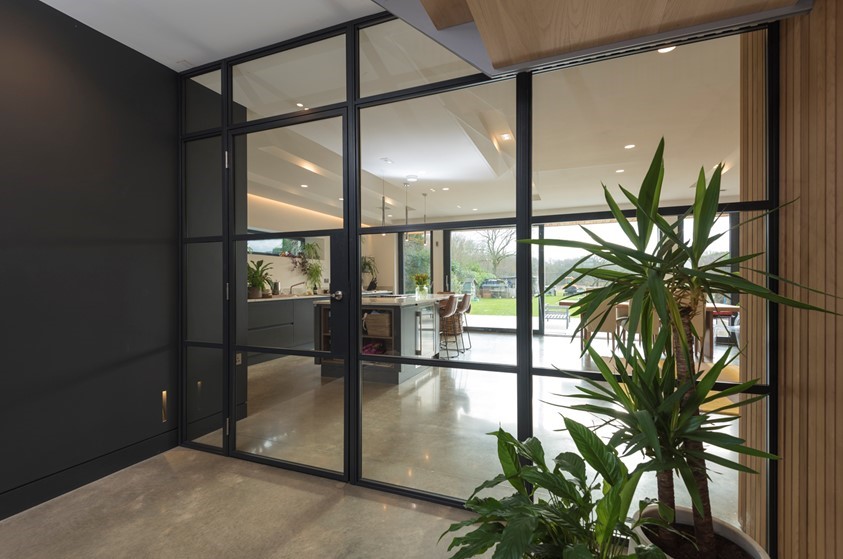
Every window is bespoke to your space and style. Whether you're adding a picture window for a sun-drenched reading nook or a bay window that doubles as a green sanctuary, Soho style Windows are the perfect way to satisfy your and your plants’ needs.
Explore our case studies


