
Ease of operation, aesthetics and longevity are essential factors to consider when looking at tilt and turn window material. While timber offers a traditional charm and naturally impressive insulation, it may not support an effortless and long-term operation. Modern aluminium windows can be more durable, require less maintenance and be able to support larger panes of glass. Aluminium also supports a more seamless operation and has a long-lasting appeal. This article explores the two materials in more detail.
Click on one of the sections below to learn more:
Tilt and turn windows are available in a variety of materials including timber and aluminium.
Compare the benefits and drawbacks of aluminium and wooden frames.
Weigh up thermal efficiency, security, operation and maintenance requirements to find the right option for you.
Aluminium is infinitely recyclable, while responsibly sourced timber can be renewable.
Timber offers traditional appeal, whereas aluminium is more modern. However, both can be customised for various architectural styles.
Can you have timber tilt and turn windows?
European-style tilt and turn windows are available in a range of materials, including timber, aluminium and uPVC. Wooden windows are appreciated for their traditional charm and good insulation properties. However, window frames made from wood can be heavy, more difficult to operate and require stricter ongoing maintenance requirements than some other options.
Aluminium is a fantastic choice because it has an excellent strength-to-weight ratio, making it a practical and durable window frame material. With the dual operation of tilt and turn windows, it is important that the material supports the weight and precision that the design requires.
What are pros and cons of aluminium vs timber window frames?
Timber tilt and turn windows can add a sense of warmth to a home in its design and performance. Aluminium offers significant advantages when it comes to weight, strength and maintenance. Evaluate the pros and cons below:
Timber
- Offers a warm atmosphere
- Provides inherent thermal insulation
- Good natural sound insulation
- Traditional aesthetic
- High maintenance requirements
- Usually more expensive
- Heavy and potentially bulky
- More prone to warping, rotting or cracking over time
- More prone to moving out of alignment
| Benefits | Drawbacks | |
|---|---|---|
Aluminium |
| The material isn’t naturally insulating, but can be thermally broken to improve efficiency |
Overall, aluminium frames offer significant advantages over wood in terms of strength, weight, security, maintenance, ease of operation and operational longevity.
Functional considerations for timber tilt and turn windows
While aesthetics is important, choosing the right window material comes down to more than just how they look. This section compares thermal performance, everyday operation, sound insulation and security.
Thermal performance and soundproofing
Wood is an attractive choice for windows because it provides good thermal insulation and can reduce noise. It has a low thermal conductivity of 0.1-0.2W/m2K, so doesn’t require additional technology such as thermal breaks. When paired with double or triple-glazing, they can provide excellent insulation.
The cellular structure of wood allows it to reduce heat transfer and by the same mechanism, it slows down the passage of soundwaves.
Aluminium, on the other hand, is not a natural insulator on its own, but window frames can be exceptionally energy efficient when thermally broken with another insulating material such as polyamide.
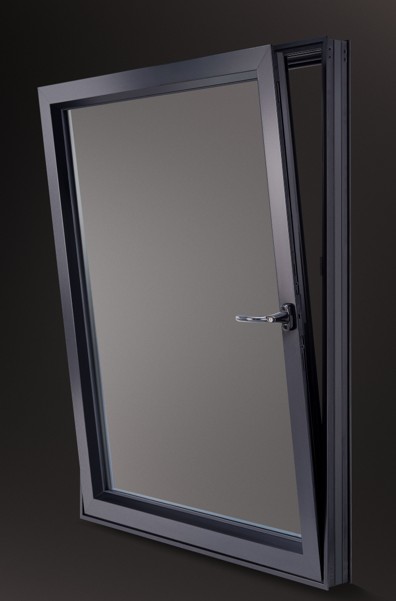
Operation and maintenance
There are many different types of wood, such as softwoods (pine and cedar), hardwoods (oak and mahogany), or engineered materials. While they vary in weight and maintenance needs, they tend to be heavier than aluminium and require more care than aluminium to maintain their appearance and structural integrity.
Wood, especially natural untreated wood, can be more prone to warping, rotting and cracking, which can affect its structural integrity and alignment over time. Aluminium, on the other hand, is highly resistant to weathering, rust and corrosion, and because of its strength, it resists flexing and moving out of alignment. Overall, aluminium is a low-maintenance option, designed to provide long-term functionality.
Structural and security considerations
Choosing a window that is both functional and secure is key. Wooden windows, particularly engineered timber frames, can be strong, but aluminium offers a better strength-to-weight ratio. This makes aluminium windows much more resilient against impact damage and everyday use.
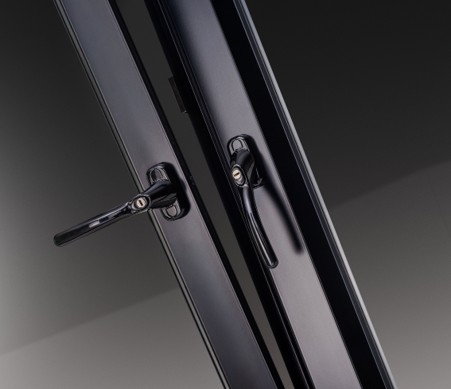
Origin Windows use multi-point locks, mechanically crimped frames and heavy-duty hinges with hinge guards. These features, combined with its inherent strength, mean that you can be confident that the windows will provide a high level of security.
Sustainability
Environmental impact of products chosen has been an increasing concern and buying priority. Both wood and aluminium have their advantages. Timber is a renewable resource when produced sustainably. On the other hand, aluminium is an abundant resource and can be recycled infinitely. In fact, 70% of the aluminium in circulation today is recycled.
Aesthetic appeal and suitability for property types
Tilt and turn windows offer a modern operation, so tend to be associated with modern homes and contemporary renovation projects. However, for period properties, timber windows can be more in keeping with the original architecture.
That said, modern aluminium window manufacturers can offer versatile designs. With over 150 RAL colours and various styles available, you can match the look of your home’s existing features. Georgian bars, astragal bars or Soho-inspired bars can also be added for a heritage look, or you can keep an uninterrupted view and maximise natural light by having a single glazed unit.
Explore the various styles and colours in our case studies.
Frequently Asked Questions
Are timber windows more expensive than aluminium?
Timber, particularly engineered timber, oak or mahogany, is a premium option, often costing more than aluminium.
Which material is better for large tilt and turn window sizes, timber or aluminium?
Aluminium tends to have a better strength-to-weight ratio when compared with timber, which means it can support large panels of glazing without the immense weight that would come with timber windows of the same size. Origin’s Tilt and Turn Windows can be specified as large as 7m2.
Which material offers better long-term value?
Both materials will last a long time, but aluminium is less likely to warp, flex or move out of alignment. Timber, on the other hand, may require extra care to keep it performing at its best. Explore Origin’s industry-leading guarantee of up to 20-years on parts.


.jpg)