
"Materials matter more on the likes of tilt and turn windows compared to simpler window styles. This is because hardware is heavier and more complex to accommodate the dual operation, so strength, durability and engineering matter.” "
- Harry Ingram, Head of R&D at Origin
Selecting the appropriate material for your windows is a decision that impacts the durability, aesthetic appeal, and the longevity of your windows. For tilt and turn windows, this choice is particularly critical. The dual function means the hardware that facilitates this is often heavier and more complex than those found on standard casement or sash systems. It also requires a frame material that supports a smooth and balanced operation, and one that maintains alignment to minimise functional issues that may occur over time.
Click on one of the sections below to learn more:
Aluminium tilt and turn windows
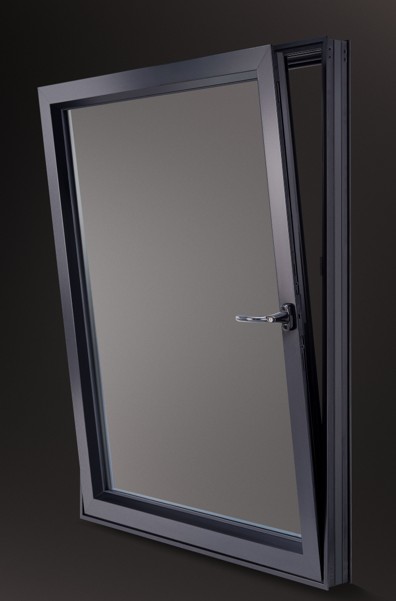
Aluminium is an excellent material for tilt and turn windows due to its excellent strength-to-weight ratio. This inherent resilience allows it to support larger expanses of glass and smooth operation and often has a refined, modern look. Read the full guide about aluminium tilt and turn windows.
· Operational longevity: aluminium resists flexing, warping and corrosion, and this ensures it supports the complex hardware while offering slim sightlines.
· Bespoke sizes: the strength of aluminium enables it to be manufactured in vast sizes. With Origin, it can be up to an impressive 7m².
· Design flexibility: they offer an elegant, refined aesthetic and can be finished in over 150 RAL colours to suit any architectural vision. Georgian or astragal bars can be added for heritage charm.
· Recyclability: aluminium is infinitely recyclable, making it a favourable choice for environmentally conscious homeowners.
Timber and aluminium-timber hybrids
Timber is often selected for its traditional charm. It also provides natural insulation and sound reduction. However, there are often long-term operational challenges and ongoing maintenance considerations:
· Natural insulation: wood is an attractive choice for its inherent thermal insulation and natural soundproofing properties.
· Operational challenges: a significant drawback for tilt and turn applications is the weight. Timber frames can be heavy and bulky, which may lead to "sash drop" or misalignment over time, making them more difficult to operate effortlessly. They can also be more prone to warping than other materials.
· Maintenance requirements: to prevent rotting, warping or cracking, timber requires stricter ongoing maintenance than aluminium.
The material matters for tilt and turn windows because it impacts long-term performance.
"We believe aluminium is the best material for tilt and turn windows because it is inherently strong which supports the complex hardware whilst being able to be made with slim sightlines without compromising on performance."
- Harry Ingram, Head of R&D at Origin
The uPVC window trade-off
uPVC is frequently used for new or replacement windows. While it serves as a functional material for modern windows, it offers distinct trade-offs compared to more robust materials.
· Long-term value: although more accessible, uPVC, especially low-grade options, have a shorter lifespan than aluminium and may lose operational functionality.
· Aesthetics: uPVC frames often lack the refined aesthetic and elegant sightlines achievable with aluminium. The profiles and designs tend to look less premium.
· Structural stability: because uPVC is a more flexible material, it is generally considered less suitable for the complex hardware of tilt and turn windows. With uPVC, it contracts and expands, so there is an increased risk of the frames moving out of alignment. This can impede the window's functionality.
"I would be cautious using low-grade uPVC for tilt and turn windows, as it can be prone to movement over time and can struggle being made in larger sizes or with heavier glazing."
- Harry Ingram, Head of R&D at Origin
Which is the best material to use for tilt and turn windows?
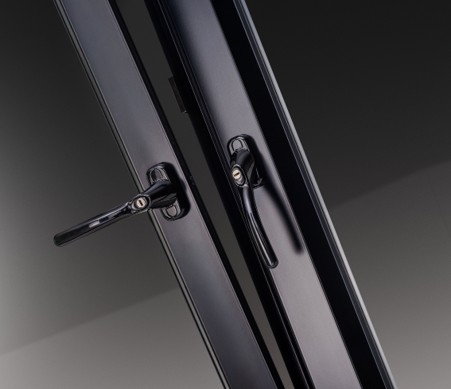
For tilt and turn windows, the material must support the weight and precision the design requires. While timber offers heritage appeal and uPVC provides a lower entry point, aluminium is a practical material for many reasons. Modern designs, such as Origin’s, feature polyamide thermal breaks which allow them to provide exceptional thermal efficiency.
Achieve the modern functionality and sophisticated look with Origin’s aluminium tilt and turn windows.
2. Thermal performance is exceptional
3. We only use premium quality aluminium
4. We are committed to a high level of security


.jpg)