
Colour palettes of the Georgian period were characterised by pastels and muted tones for several reasons. Restrained luxury, balance and harmony were symbols of elegance in Georgian architecture;. Georgian paint colours also tended to be less bold and were led by natural hues rather than brilliant white or jet black. Original wooden sash windows were often white or off-white, and brown or grey tones were also practical.
This article explores the effect of colour choice on the appearance of your Georgian windows and provides a helpful guide for choosing a heritage-inspired frame colour for modern windows.
Click on one of the sections below to learn more:
Exploring the Georgian colour palette
Authentic paint colours used in Georgian homes were bright and balanced, and this allowed architectural features to stand out. It is unlike some later styles, such as Victorian or Art Deco, as these favoured bolder, louder colours. The regency period typically drew on soft chalky neutrals, muted pastels, mineral greens, dusky blues and warm stone tones, as well as the occasional use of richer accent colours and real gold leaf or metallic paint.
There were plenty of examples of rich, bold colour palettes and accents during the Georgian era. However, the authentic Georgian paint scheme is generally associated with pastel shades and white-dominant interiors.
A classic Georgian-style interior design scheme often starts with:
- Base: Stone, cream, lime white or off-white
- Feature: Pea green, sage, olive or duck-egg blue
- Accent: Soft pink, mauve or muted yellow
- Details: Black, burgundy, copper, teal or ebony

Explore more Origin projects here
Part of recreating Georgian architecture is by introducing symmetry, clean lines and geometry. Georgian interiors will often have contrasting wall panelling, framed, skirting, molding or dado rails. Here are some key style tips for Georgian-inspired interiors:
- Maintain symmetry and pleasing proportions
- Create soft contrast with earthy shades
- Emphasise muted tones and spare opulent colours for accents, hardware and furnishings such as gold metallic paint or real gold leaf gilding
- Favour matte or satin over glossy finishes
The significance of colour choice in the Georgian era
Georgian interiors aimed for balance, restraint, and harmony, and favoured softer contrasts. Additionally, the paint colours available were earthy or not as richly pigmented as modern emulsions. These included limewash, distemper, linseed-oil paint, and mineral or earth pigments, all of which create a more pastel effect or muted tone. Finally, what survives today often looks more faded than it originally did due to UV degradation and oxidisation.
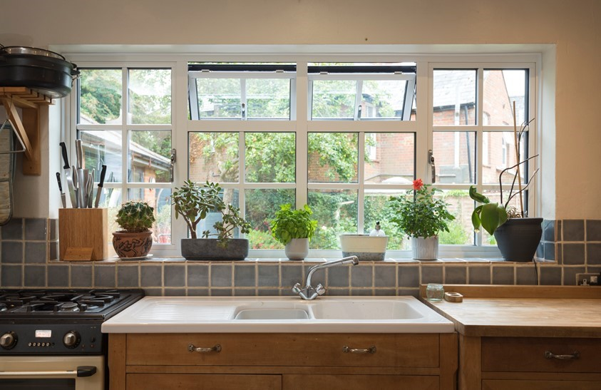
What colour were traditional Georgian windows?
Typically, Georgian windows were painted in lighter shades, and the likes of bright or brilliant white windows were rare due to the linseed-based paint used. This gave the timber window frames an off-white and softened appearance. Additionally, it wasn’t uncommon to see Georgian windows in darker, muted shades such as stone grey, brown or green paint.
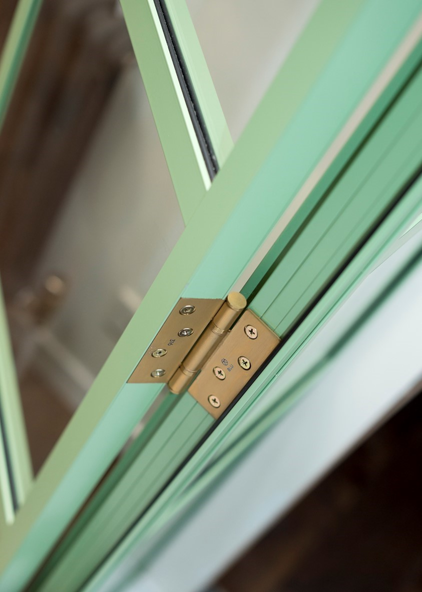
The effect of light Georgian window frames
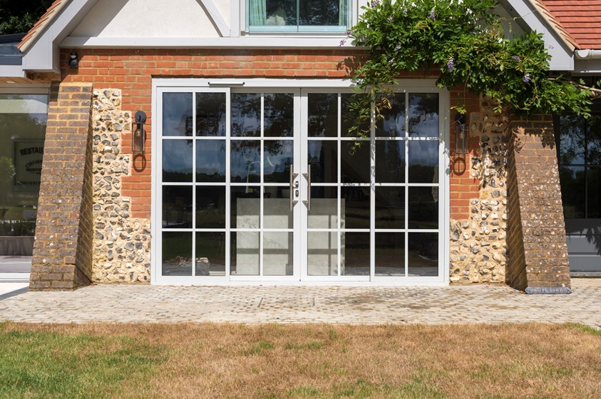
When used on window frames, light colours such as off-white, cream, ivory, or stone grey will brighten any space to offer an airy atmosphere. When used externally, these colours can emphasise the geometry and symmetry of the Georgian astragal bars. This is because they will reflect light, allowing the profile to be more visible.
Find your local installer to start a project
The effect of dark Georgian window frames
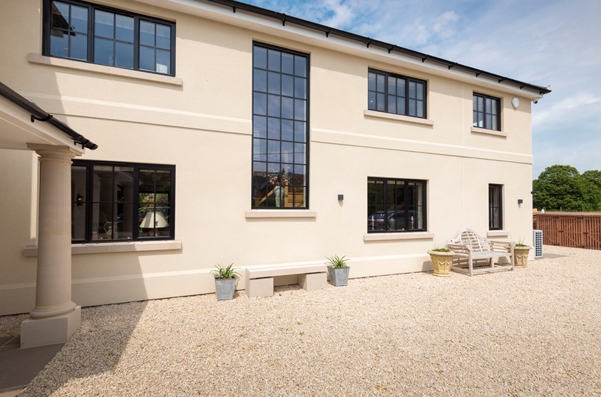
While striking, dark window colours such as anthracite grey, charcoal black, or jet black can make the window frames visually recede. When used internally, dark frames draw attention to views outside of the window. Externally, they can emphasise the look of large windows and the sightlines can appear slimmer as they offer a stark contrast against the glazing. Dark Georgian window frames create a modern look while revealing a sophisticated, heritage design.
Choosing the best modern Georgian window colour
It is important to take modern architectural styles into consideration when choosing the right colour for period properties. Other factors include your existing scheme, practicality and the visual behaviour of different shades.
Here is our guide to choosing a sophisticated colour for your home’s Georgian-style window.
| Colour palette | RAL Colours | Window style | Impression |
|---|---|---|---|
Dark | Black Grey (RAL 7021), Graphite Grey (RAL 7024), Jet Black (RAL 9005) | Adds a modern touch to a classic design. | Allows the profile to recede slightly which can give the impression of larger windows. |
Earthy | Olive Green (RAL 6003), Green Grey (RAL 7009), Grey Brown (RAL 8019) | Balances muted heritage tones and an earthy warmth. Versatile aesthetic to support traditional and contemporary builds. | Creates soft contrast and grounding elegance. Frames slightly recede without limiting detail. |
Neutral | Stone Grey (RAL 7030), Grey Beige (RAL 1019), Quartz Grey (RAL 7039). | Neutral tones are a popular choice for heritage and contemporary homes. | These neutral mid-tones complement lighter external façades and neutral interiors. |
Pastel | Pale Green (RAL 6021), Agate Grey (RAL 7038), Pale Green (RAL 5024), Pebble Grey (RAL 7032) | Ideal for modern properties, but can bring a vibrant charm to cottages or period homes. | Playful, decorative and lighter shades create an airy feel and soft contrast with darker exteriors. |
Off-white | Hipca White (RAL 9910), Oyster White (RAL 1013), Light Ivory (RAL 1015) | Ideal for heritage Georgian properties, cottages and farmhouses or bright and modern schemes. | These bright off-white tones are excellent for lifting the window’s profile and accentuating the Georgian design. |
Contrasting internal and external finishes
Getting the balance right for your Georgian window colour can be more difficult if you want to create a different impression on the inside and outside of your home. This is what dual finishes are excellent for.
Origin offers over 150 RAL colour options as well as dual coloured finishes to enable you to have a different shade on the inside and the outside, allowing you to create a truly bespoke look.
Every window is powder-coated in-house for a durable finish that is low maintenance and long-lasting.
Explore other reasons to choose Origin bespoke windows:
- UK manufacturing and exceptional quality standards
- Commitment to excellent energy efficiency
- Safe and secure designs and hardware
- Bespoke configurations and customisation options
- Premium quality aluminium
- A guarantee of up to 20-years on parts
Frequently Asked Questions:
Were Georgian window casements and sashes painted the same colour?
Origin’s dual colour option allows you to specify different shades for internal and external frames to suit your unique décor. The casement or sash window profile will typically be a uniform colour.
Can I use bold or contemporary colours on Georgian windows without losing period accuracy?
Origin’s range of over 150 RAL colours provides the freedom to make a contemporary statement while maintaining an authentic appearance. Pastel colours, muted shades, off-whites, neutrals and earthy tones can favour a heritage style.
Are there any window colours that aren't suitable for listed buildings?
Any replacement windows for Grade II listed buildings should be in keeping with the original architecture and the surroundings. Traditional designs and colours are more likely to be approved by your council. Grade I listed buildings must maintain the authenticity of the building's original features which means using the same materials and finish as the original.


